
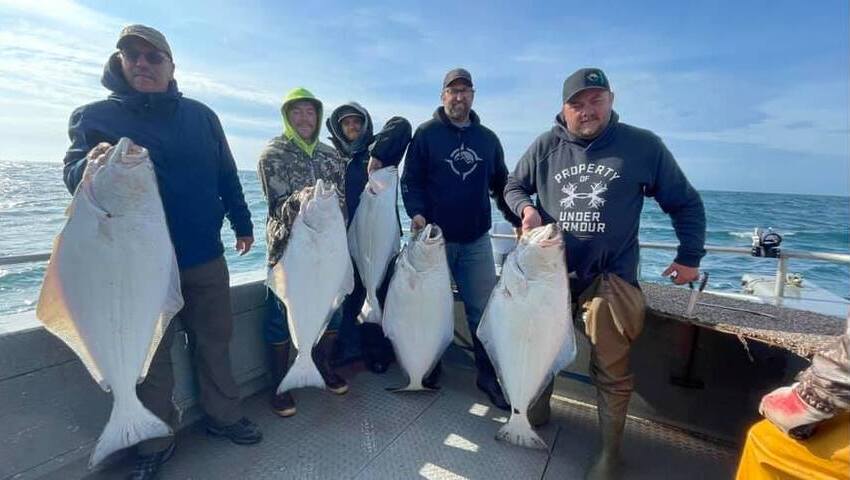
All About Halibut Fishing Trips in Alaska: Your Ultimate Guide
Halibut fishing in Alaska is a dream come true for anglers from around the world. These large, delicious, white-fleshed fish offer an exciting challenge — especially when navigating Cook Inlet’s strong currents and unpredictable weather. If you’re planning a halibut fishing trip in Alaska, this guide has everything you need to know: the best times, techniques, costs, regulations, and more.
Best Time to Catch Halibut in Alaska
For halibut fishing, target slack tides when tidal currents are weaker, allowing bait to stay on the bottom. The best weather of the year is typically in June, with the optimal season running from mid-May to mid-September.
For insights on how conditions can influence your trip, check out our post on expert weather tips for successful halibut fishing in Alaska.
Top Locations for Halibut Fishing in Alaska
The Kenai Peninsula is the epicenter of halibut fishing in Alaska. Popular halibut hotspots in Cook Inlet include:
- Anchor Point
- Homer
- Ninilchik
Other productive areas include Kodiak Island, Sitka, and Unalaska Island.
If you’re planning where to cast your line, our guide to the Top 5 spots for unforgettable halibut fishing in Alaska offers valuable recommendations.
Average Halibut Size
Halibut caught in Alaska typically range from 5 to 500 pounds. It’s not unusual to reel in fish over 100 pounds, and the current sport-caught record is a massive 459-pound halibut.
Types of Halibut
There are two types of halibut.
- Pacific Halibut (Hippoglossus stenolepis): Found throughout Alaska and the North Pacific.
- Atlantic Halibut (Hippoglossus hippoglossus): Native to the North Atlantic.
Halibut Fishing in Alaska Cost Breakdown
Costs vary based on charter type and services included:
- Shared Day Charters (6-PAX boats): Start at $395 per person
- Private Charters: Begin at $2,200 per day
- River Salmon Fishing: Starts at $300 per person
Note: Split charters are rarely offered due to logistical challenges. We also arrange lodging packages in Alaska tailored to your group’s needs.
What to Wear While Halibut Fishing in Alaska
Dress in layers with clothes that retain heat even when wet — wool sweaters, waterproof outerwear, and insulated gloves are recommended for Alaska’s unpredictable climate.
Halibut Fishing Techniques
To increase your chances of a catch:
- Use heavy-duty rods and reels
- Anchor in known halibut areas
- Bait with fresh herring, squid, salmon belly, or octopus
Is Halibut Fishing in Alaska Easy?
Yes — especially with professional guides and high-quality gear. We provide all tackle and instruction. The most effective method involves cut or live bait like herring or octopus.
Best Bait for Halibut Fishing in Alaska
Top bait options include:
- Fresh herring (preferred for durability)
- Salmon belly
- Geoduck clams
Tip: Soak frozen bait in brine overnight to toughen it.
What Does Halibut Taste Like?
Pacific halibut has a lean, flaky texture with a mildly sweet flavor. It’s ideal for recipes using lemon, pesto, basil, or light spice. Avoid overcooking to preserve its delicate taste.
Best Eating Size for Halibut
The ideal size for table fare is between 30 and 80 pounds. Larger halibut are often released to maintain a sustainable population.
Where to Find the Biggest Halibut?
Unalaska Island, also known as Amaknak Island, holds the record for the largest recreational halibut catch — 459 pounds. This area is part of the Bering Sea and Gulf of Alaska.
Halibut Fishing Regulations in Alaska
In Southcentral Alaska (Area 3A):
- Daily Limit: 2 halibut per person
- Guided Anglers: One halibut must be under 27 inches; if only one is kept, any size is allowed
- Unguided Anglers: May keep two halibut of any size
- Closed Days: No halibut fishing for guided anglers on Tuesdays and Wednesdays.
To learn how these rules help protect fisheries, explore the role of regulations in protecting the halibut population of Alaska.
Preparing for a Safe Halibut Fishing Trip
Use fresh herring fillets to scent the water more effectively. Secure your footing on deck, follow your guide’s instructions, and bring safety gear like personal floatation devices and sunscreen.
Why Is Halibut Fishing in Alaska Expensive?
Several factors contribute to the cost:
- Rising fuel, labor, bait, and insurance costs
- Short fishing seasons
- Specialized boats required to access remote areas
- High demand: Trips often book 6–12 months in advance
- Expert local knowledge of seasoned guides like Captain Mel Erickson
However, when you consider that a boat can bring in 100 pounds of halibut fillets a day (valued at ~$25/lb), the cost is a worthy investment.
Wondering about the higher costs? Read why is halibut so expensive in Alaska? for a deeper understanding.
Best Lodging for a Halibut Fishing Adventure
Consider booking with experienced operators who offer all-inclusive lodges near top halibut spots. For example:
- Alaskan Fishing Lodge at Wendy Lane
- Alaskan Gamefisher’s Private Lodging Options
These accommodations offer seamless access to fishing and comfort throughout your stay.
Experience the Best Halibut Fishing Trip in Alaska
Alaska is a paradise for anglers, with trophy halibut, wild salmon, and stunning wilderness. Alaskan Gamefisher offers custom fishing adventures with over 40+ years of experience. Whether you’re chasing a giant halibut or just want an unforgettable day on the water, we’ve got the perfect trip for you.
Book your halibut fishing trip with Alaskan Gamefisher today — and reel in the adventure of a lifetime!